


Quick Links

- What Is Gynecomastia?
- Fact Details
- Photo Gallery
- Causes Of Gynecomastia
- Levels Of Gynecomastia
- Signs Of Gynecomastia
- Side Effects Of Gynecomastia
- Address Gynecomastia With A Doctor
- Causes Of Male Breast Enlargement
- Ideal Candidates For Gynecomastia Treatment
- Preparation
- The Procedure
- Recovery
- Gynecomastia Faqs
- Patient Education
- Top-rated Doctors
- Complementary Procedures
- Patient Review
- Explore Resources
- Section Cta
Male breast reduction with any of our expert gynecomastia surgeons in Bethesda can reduce the size of your chest and give you a chiseled, sculpted contour.
What is Gynecomastia?
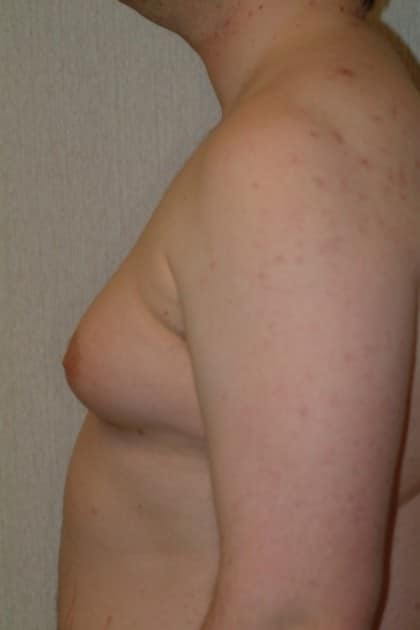
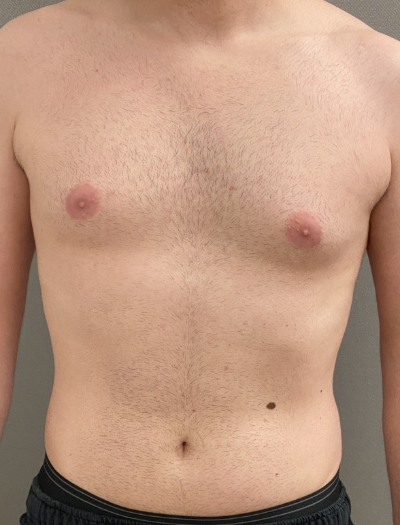
Gynecomastia is a medical condition referring to the presence of abnormally large breasts in men, generally caused by the body’s production of excess glandular breast tissue, excess fatty tissue, or a combination of both.

Recovery:
1 Week

Cost:
Starts at $8K+

Results:
3 Months





Causes of Gynecomastia
While in some cases, gynecomastia may be the result of genetics, or natural hormonal imbalances, breast tissue growth may also be caused by medical conditions or illness, as well as the use of certain drugs, anabolic steroids, or medications. Breast enlargement can also be caused by significant weight gain. In certain cases gynecomastia can develop spontaneously resulting in idiopathic gynecomastia.

Male breast reduction surgery is a safe and effective procedure designed to remove excess fatty tissue to flatten the breasts and enhance the natural contours of the male chest.
Levels of Gynecomastia
Gynecomastia can present itself in different degrees, most commonly categorized as mild, high, visible, or feminine. Categorization of gynecomastia is based on chest size, femininity, and severity of the condition.
Signs of Gynecomastia
Those who develop gynecomastia can notice it in one or both breasts. Signs of gynecomastia can include swelling of the breast tissue, tenderness of the breasts, pain, and breast sensitivity.
Side Effects of Gynecomastia
Whatever the underlying causation, gynecomastia can have emotional and psychological ramifications for men who suffer from it. Gynecomastia can cause social anxiety and deter an individual from socializing at work or developing relationships.
Address Gynecomastia with a Doctor
Since both breast cancer and chronic gynecomastia can cause lumps and swollen breast tissue it is vital to get checked by a doctor. Breast pain associated with gynecomastia should be addressed by a specialist.
Addressing gynecomastia can be an essential part in improving your self image, mental health, and appearance. Male breast tissue reduction can properly treat gynecomastia by getting rid of excess breast tissue. The Cosmetic Surgery Associates of Maryland office is 12.7 miles away from Washington, DC and 4.9 miles away from Potomac, MD.
Causes of Male Breast Enlargement
Gynecomastia has several factors that can lead to its onset; the majority of them have to do with an increased level of estrogen.
Increased Estrogen Level
Men’s bodies naturally create testosterone and estrogen. Estrogen has a direct correlation to increased glandular tissue, but this is generally not an issue for men since estrogen’s ratio is so small compared to testosterone. However, with factors such as all the below mentioned, estrogen levels can become skewed and increase, causing enlarged male breasts.
Gynecomastia can be caused by a decrease in the responsiveness of androgen receptors and an increase in estrogen production. This does not cause any physical harm, but breast development can be a source of embarrassment or self-consciousness.
Drugs and Medications
Certain drugs and medications can manipulate sex hormone levels. Marijuana has been linked to a decrease in testosterone production, and steroids have been known to increase estrogen levels. Antidepressants and blood pressure medication can also alter normal hormone levels.
Klinefelter Syndrome
Klinefelter Syndrome is a genetically gained condition where men gain an X chromosome in addition to the normal male XY genetic makeup. This does not affect everyone visibly, but some men with this condition may experience little body hair, weak muscles, and/or large male breasts.
Hyperthyroidism
The thyroid is responsible for controlling hormone production, but on occasions, the functionality of this gland can become disturbed. This occurrence is referred to as hyperthyroidism. Hyperthyroidism can throw off normal sex hormone levels, creating an estrogen excess for some men.
Pubertal Gynecomastia
During puberty, there is a large change in the amount of estrogen in the body. This estrogen excess can cause an imbalance between estrogen and testosterone. Gynecomastia is more prevalent in boys who are overweight.
Aging
When men age, the body produces more of the enzyme aromatase. This enzyme is responsible for converting estrone and androstenedione into estrogen, potentially causing an increase in glandular tissue.
Hormonal Treatments
Certain hormonal imbalances can occur after hormonal treatment for prostate cancer. Prostate cancer treatment can involve androgen deprivation therapy. Prostate cancer patients may notice an onset of gynecomastia after androgen deprivation therapy treatments.
Gynecomastia can be a sign of a testicular tumor. A doctor should check any signs of testicular tumors.
Ideal Candidates for Gynecomastia Treatment
Gynecomastia accounts for more than 65% of all male breast disorders, and luckily, more and more men are realizing that this condition can be safely and effectively treated with male breast reduction surgery. In fact, more than 20,000 male breast reduction surgeries were performed in 2012, up 5% from 2011.
Men everywhere are realizing that they no longer need to put up with aesthetically unappealing breasts, but instead, can achieve their ideal contoured, well-formed chest!
You may be a candidate for Gynecomastia treatment if you:
- Feel self-conscious about their appearance
- Feel self-conscious about their appearance
- Possess firm, elastic skin
- Desire better breast contour and do not consider reduction surgery a weight loss method
Ideal candidates are physically fit and psychologically-stable men who have tried exercise and a healthy diet first. This procedure should not be regarded as a method for weight loss or body fat removal.
For some men, fatty deposits and excess skin throughout the body can be a problem. But with the assistance of Dr. Richards, Dr. Magge, and Dr. Jabs’ body contouring techniques, you can rid yourself of the areas bothering you and possibly be more confident in your appearance.
During your initial consultation with one of our three expert chest sculpting surgeons, you can explain the concerns you have with the appearance of your chest. Bringing a photo of desired results can help greatly.
Your surgeon will examine your chest and assess whether you suffer from gynecomastia, pseudo-gynecomastia, or both and recommend a procedure technique appropriately.
As you think about your options with plastic surgery, it is natural to have a list of questions for the doctor.
- How long does the operation last?
- Will you use or a scalpel?
- What is scarring like?
- Can I qualify for insurance coverage?
- Will I need to take time off from work?
There aren’t cookie-cutter answers since each case is unique to the individual. These questions will gladly be answered during your consultation once your surgeon assesses a custom surgical treatment plan which will provide you with optimal results.
Preparation
In order to prepare for your male breast reduction surgery, there are some important steps that must be followed.
- Once you receive a confirmed surgery date, please plan on scheduling at least three to four days off from work to ensure ample recovery time.
- Your surgeon will prescribe you medications during your consultation that must be filled before your surgery date. These will be necessary for immediately following the procedure and during your recovery.
- Do not smoke or take anti-inflammatory medications two weeks prior to your procedure.
- Have a family member or friend take you home after your male breast reduction surgery is completed.
- Please inform the office if you begin to feel sick or under the weather.
The Procedure
Breast reduction surgery for men is an outpatient procedure, and can generally be performed using local anesthesia with oral sedation.
The glandular tissue / fatty tissue ratio differs for each patient; our expert male breast reduction surgeons are skilled at identifying the difference and recommending a procedure appropriately.
For most patients, the procedure is done with a specialized laser with liposuction to remove or sculpt glandular tissue appropriately, leaving enough for a chiseled contour. Using small incisions in the axillae (armpit area), this technique avoids incisions and scars on the breast or near the nipples. If desired, your surgeon can relocate the nipples to a proportionate placement. For some patients, a very small incision is made in the nipple area to remove the glandular tissue.
This procedure is extremely effective and results in a flatter breast with a smooth contour to the chest. Surgical dressing and a compression garment are then wrapped around your chest. The procedure can generally be performed in about an hour and a half.
Recovery
In most cases, gynecomastia correction surgery is permanent, but breasts may increase in size if the patient gains a significant amount of weight, increasing levels of adipose (fatty) tissue.
Our medical staff will help to make your plastic surgery experience a positive one through open communication, friendliness, and respect. We understand that cosmetic surgery is a serious decision; therefore, you must feel comfortable undergoing a male breast reduction.
After your male breast reduction surgery is complete, the incisions will be covered with dressings or bandages and you will be asked to wear a compression garment or elastic bandage to reduce swelling.
Most patients will feel tired and sore for several days after surgery, but can usually return to work in just three days; however, complete recovery, including the resumption of rigorous exercise and athletic pursuits, may take between three to four weeks. This means doing your research. Besides discussing your concerns with our physicians during a consultation visit, you should also take the time to learn about the risks and uncertainties associated with correcting gynecomastia. Please feel free to contact us to make an appointment.
Gynecomastia FAQs
Can gynecomastia be cured without surgery?
Can thyroid problems cause gynecomastia?
Does a breast reduction make you look thinner?
How can gynecomastia be prevented?
How long do you have to wear a compression garment after gynecomastia?
Is it worth getting a breast reduction?
What is the best treatment for gynecomastia?
Can gynecomastia grow back after surgery?
Does gynecomastia go away with weight loss?
How can you tell the difference between gynecomastia and Pseudogynecomastia?
How do I know if I need a breast reduction?
How long does it take to recover from male breast reduction?
Does gynecomastia come after surgery?
Does gynecomastia surgery leave scars?
How do you shower after gynecomastia surgery?
How long till swelling goes down after gynecomastia surgery?
When should I start massaging after gynecomastia surgery?
Can guys develop breasts?
Can you get rid of gynecomastia without surgery?
Can you reduce breast size without surgery?
Do you lose weight after breast reduction?
How do I know if I have gynecomastia?
What causes gynecomastia in males?


Keshav Magge, MD, FACS
Board-Certified Plastic Surgeon
Honored as a Top Doctor by Bethesda Magazine and Washingtonian in both 2024 and 2025, Dr. Magge is recognized for his exceptional surgical skill, artistic precision, and patient-centered approach. A leading plastic surgeon in Bethesda, Maryland, he completed a fellowship in Craniofacial and Pediatric Plastic Surgery at Children’s National Medical Center in Washington, D.C., where he gained advanced expertise in facial rejuvenation and aesthetic surgery innovations.
Meet Dr. Magge
A. Dean Jabs, MD, PhD, FACS
Board-Certified Plastic Surgeon
Dr. Jabs is an award-winning, board-certified plastic surgeon recognized nationally for his expertise in creating natural-looking results and his warm, compassionate approach to patient care. Trained in NY at Columbia University, he served in the US Army and has special expertise in facial rejuvenation. He has over 35 years of experience and has consistently been voted a top plastic surgeon by Washingtonian and Bethesda magazine.
Meet Dr. Jabs

Franklin D. Richards, MD, FACS
Board-Certified Plastic Surgeon
Dr. Richards has been recognized as a Top Doctor by several prestigious organizations, including Castle Connolly, Consumers’ Research Council of America, and Washingtonian magazine. A leading plastic surgeon in Bethesda, Maryland, Dr. Richards is the past Chief of Plastic Surgery at Johns Hopkins Suburban Hospital. His expertise is in achieving natural results in facelift and eyelid surgery, with additional interests in cosmetic surgery of the breast and abdomen.
Meet Dr. Richards
Complementary Procedures
Male Tummy Tuck
Men struggling with stubborn fat or loose skin on the abdomen after significant weight loss can benefit from a male tummy tuck. This procedure focuses on the male aesthetic to create a flatter stomach with well-defined abs.
Male Liposuction
Male liposuction can be used to eliminate localized pockets of stubborn fat on almost any area of the body, including the stomach, back, chest, arms, and thighs. Liposuction can be performed alone or in combination with other body contouring to achieve proportionate, smooth contours.
Male Botox
Botox is a neuromodulator used for the treatment of dynamic wrinkles like frown lines and crow’s feet. This non-surgical procedure can help men achieve a more youthful and relaxed appearance, boosting their confidence in the workplace and social settings.

The staff was amazing and made me feel comfortable every step of the way.

Get it DONE! The staff was amazing and made me feel comfortable every step of the way. My results are amazing, and I conquered the biggest hurdle in this journey - picking the correct Doctor and team. No regrets. Thank you, CSA.
– verified patient
I have been going to CSA for over a year, and it’s always such a nice visit.
I have been going to CSA for over a year, and it's always such a nice visit. Super professional, and I always feel taken care of.
– verified patient
I AM SO HAPPY I FOUND COSMETIC SURGERY ASSOCIATES.
I had such an amazing overall experience at Cosmetic Surgery Associates. The staff is very pleasant. I had my first invasive cosmetic procedure done back in September, and the final results are amazing. I LOVE IT. I'm so much happier with my body now. HIGHLY RECOMMEND. Prior to my surgery, I had been thinking about this for a while, and I'm so happy I made the decision to go through with it. I AM SO HAPPY I FOUND COSMETIC SURGERY ASSOCIATES. HIGHLY HIGHLY RECOMMEND!!
– verified patient
Their equipment, skill level, and expertise are superb.
This practice is truly outstanding! Their equipment, skill level, and expertise are superb. The staff is extremely friendly, kind, and professional; they make you feel comfortable as soon as you walk in the door.
– verified patient
Every single person in their office makes you feel so welcomed and comfortable the moment you step into the office.
Every single person in their office makes you feel so welcomed and comfortable the moment you step into the office. The day of my surgery, the staff took amazing care of me and went above and beyond to calm my nerves, talk me through it, and made it such a great experience. I highly recommend this office. I can't thank them enough for all that they did for me!
– verified patient
My experience there was beyond 5 stars.
My experience there was beyond 5 stars. From taking the appointment to post surgery. Even now after 10 months, the follow ups are outstanding. The whole staff took great care of me and the results are what I expected. Thank you for everything. Don't think twice and use this clinic if you want best in class service and the best result.
– verified patient
All of the staff were highly knowledgeable, and I received consistent direction and guidance from all of the staff.
Literally every staff member I interacted with from the front desk down to the surgical team gave stellar customer service and truly made me feel comfortable. My sister even felt the warm energy from the staff after meeting them the morning of surgery. All of the staff were highly knowledgeable, and I received consistent direction and guidance from all of the staff. I would highly recommend Cosmetic Surgery Associates to anyone seeking a cosmetic procedure!
– verified patient
I can’t stress enough how great this whole experience has been.
I can't stress enough how great this whole experience has been. Not only did he make me feel comfortable in my body, but 10x more confident. His work is truly beautiful. 100% recommend!!
– verified patient
I feel very comfortable and look better in my clothes.
The staff are professional, caring, and pay attention to detail. Almost 10 months post op. The results exceeded my expectations. I feel very comfortable and look better in my clothes. I'm so grateful. I highly recommend this practice.
– verified patient
The staff was wonderful, respectful, accommodating, and very knowledgeable!
The staff was wonderful, respectful, accommodating, and very knowledgeable! The facility was very clean and one of the staff members helped me work the coffee machine for a fresh cup of coffee!
– verified patient


Patient Photos
View our gallery to see photographs of real patient results at Cosmetic Surgery Associates.
Learn MoreDoctor Videos
Patient education is one of our primary goals. Check out our educational video series to learn more about specific procedures and view real results.
Learn More