


Quick Links

The skin, our body’s largest organ is both a complex and multipurpose organ. It protects the body against injury, chemicals, bacteria and even UV light. It regulates body temperature and is a vital part of our immune system. In addition, it has a wonderful power to constantly repair itself.
The Skin
The epidermis, the layer we see and touch is very tough but microscopically thin. It is the layer with the highest content of water. However, as we mature, the skin’s ability to retain water decreases which cause the skin to become dehydrated. This is why many of us feel the need to use a moisturizer when we reach our mid 20’s. The melanocytes (the cells responsible for skin’s pigment) are present in the lower layers of the epidermis. These protective cells produce pigment (melanin) in response to ultraviolet rays, skin trauma, and/or hormones. Melanocytes migrate into individual cells to form a physical umbrella over the cell’s nucleus. This “brown umbrella” (a suntan) is created to protect the cell’s nucleus from even further sun damage and sunburn.
The dermis (middle layer) is often referred to as the living skin. This layer is made of collagen (95%) and elastin ( 3 %) protein fibers that are woven together in a microscopic network. Collagen enables the skin to stretch and elastin brings it back to form. Elasticity depends on the well-balanced water content in the dermis and other skin layers. The dermal layer is also responsible for supporting the epidermis the skin’s repair, the immune system, and the sensory system.
The subcutis (the bottom layer) consists mainly of fat and cells interspersed with blood vessels, nerve fibers, and muscle fibers. This layer acts as a protective cushion for what lies above it and below it.
What is Chemical Peeling?
Chemical peeling involves applying an acidic solution to the skin. The most popular chemical peels are glycolic acid (made from sugar cane) and lactic acid (made from milk). These chemicals are also called alpha-hydroxy acids. The chemical solution promotes the shedding of the skin by breaking down the substance that holds the skin cells together. The extent of the exfoliation depends on the type of acid, its pH and the condition of your skin.
Chemical peels have a cumulative effect and are best done is a series of 4-6 treatments.
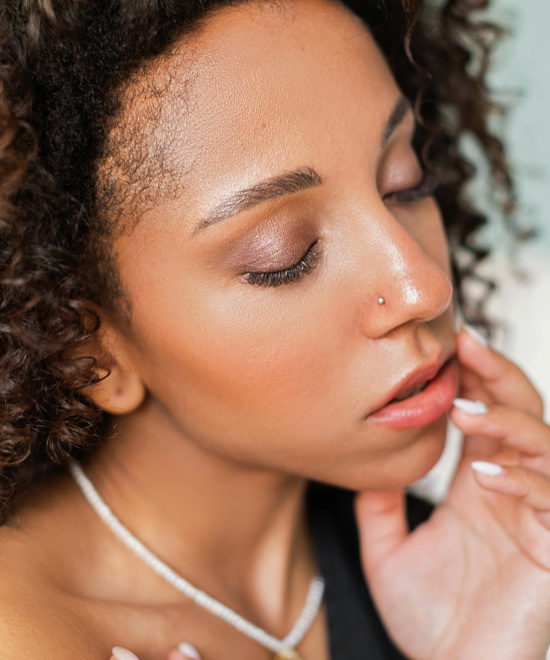
Because a tan is created only when the skin is confronted with injury, there is NO such thing as a healthy tan (unless it comes from a self-tanner). When severe damage has occurred and as we mature, these cells often coagulate into clumps causing hyperpigmentation (age spots).
Salicylic Acid
Salicylic acid (beta-hydroxy acid) another popular chemical peel contains the same active ingredient found in aspirin. Although this acid is similar to alpha-hydroxy acids, it has the added ability to penetrate the skin’s pores because it is a lipid (oil) soluble. This type of acid peel is excellent for refining clogged pores and reducing skin breakouts. Because this acid is related to aspirin, it is an anti-inflammatory and is a great treatment for acne and rosacea.
Benefits of Salicylic Acid
- Comedones
- Epidermal pigmentation problems
- Fine lines and wrinkles
- Large Pores
- Shallow Scarring
- Skin Laxity

Keshav Magge, MD, FACS
Board-Certified Plastic Surgeon
Honored as a Top Doctor by Bethesda Magazine and Washingtonian in both 2024 and 2025, Dr. Magge is recognized for his exceptional surgical skill, artistic precision, and patient-centered approach. A leading plastic surgeon in Bethesda, Maryland, he completed a fellowship in Craniofacial and Pediatric Plastic Surgery at Children’s National Medical Center in Washington, D.C., where he gained advanced expertise in facial rejuvenation and aesthetic surgery innovations.
Meet Dr. Magge
A. Dean Jabs, MD, PhD, FACS
Board-Certified Plastic Surgeon
Dr. Jabs is an award-winning, board-certified plastic surgeon recognized nationally for his expertise in creating natural-looking results and his warm, compassionate approach to patient care. Trained in NY at Columbia University, he served in the US Army and has special expertise in facial rejuvenation. He has over 35 years of experience and has consistently been voted a top plastic surgeon by Washingtonian and Bethesda magazine.
Meet Dr. Jabs

Franklin D. Richards, MD, FACS
Board-Certified Plastic Surgeon
Dr. Richards has been recognized as a Top Doctor by several prestigious organizations, including Castle Connolly, Consumers’ Research Council of America, and Washingtonian magazine. A leading plastic surgeon in Bethesda, Maryland, Dr. Richards is the past Chief of Plastic Surgery at Johns Hopkins Suburban Hospital. His expertise is in achieving natural results in facelift and eyelid surgery, with additional interests in cosmetic surgery of the breast and abdomen.
Meet Dr. Richards
Complementary Procedures
Microneedling
Microneedling is a minimally invasive procedure that uses tiny needles to create micro-injuries in the skin, stimulating the body’s natural collagen production. It is effective in reducing wrinkles, acne scars, stretch marks, and other irregularities in skin tone and texture.
Chemical Peels
Similar to dermaplaning, chemical peels strip away the superficial layers of dead or damaged skin to reveal a new, healthy layer of skin. Fine lines and wrinkles, acne scars, dull complexion, hyperpigmentation, and rough skin can all be significantly improved with chemical peel treatments. Chemical peels, especially medium or deep peels, are a more intensive treatment than dermaplaning and might not be a suitable option for patients with sensitive skin.
DiamondGlow® Facial
DiamondGlow is a gentle facial treatment that combines physical exfoliation with intense skin hydration to restore healthier, more youthful-looking skin. This treatment can address a variety of skin concerns, including facial wrinkles, clogged pores, rough skin texture, and more. When dermaplaning is used immediately before a DiamondGlow facial, the nourishing serums delivered during the DiamondGlow treatment can penetrate more deeply into the skin, increasing their effectiveness.

The staff was amazing and made me feel comfortable every step of the way.

Get it DONE! The staff was amazing and made me feel comfortable every step of the way. My results are amazing, and I conquered the biggest hurdle in this journey - picking the correct Doctor and team. No regrets. Thank you, CSA.
– verified patient
I have been going to CSA for over a year, and it’s always such a nice visit.
I have been going to CSA for over a year, and it's always such a nice visit. Super professional, and I always feel taken care of.
– verified patient
I AM SO HAPPY I FOUND COSMETIC SURGERY ASSOCIATES.
I had such an amazing overall experience at Cosmetic Surgery Associates. The staff is very pleasant. I had my first invasive cosmetic procedure done back in September, and the final results are amazing. I LOVE IT. I'm so much happier with my body now. HIGHLY RECOMMEND. Prior to my surgery, I had been thinking about this for a while, and I'm so happy I made the decision to go through with it. I AM SO HAPPY I FOUND COSMETIC SURGERY ASSOCIATES. HIGHLY HIGHLY RECOMMEND!!
– verified patient
Their equipment, skill level, and expertise are superb.
This practice is truly outstanding! Their equipment, skill level, and expertise are superb. The staff is extremely friendly, kind, and professional; they make you feel comfortable as soon as you walk in the door.
– verified patient
Every single person in their office makes you feel so welcomed and comfortable the moment you step into the office.
Every single person in their office makes you feel so welcomed and comfortable the moment you step into the office. The day of my surgery, the staff took amazing care of me and went above and beyond to calm my nerves, talk me through it, and made it such a great experience. I highly recommend this office. I can't thank them enough for all that they did for me!
– verified patient
My experience there was beyond 5 stars.
My experience there was beyond 5 stars. From taking the appointment to post surgery. Even now after 10 months, the follow ups are outstanding. The whole staff took great care of me and the results are what I expected. Thank you for everything. Don't think twice and use this clinic if you want best in class service and the best result.
– verified patient
All of the staff were highly knowledgeable, and I received consistent direction and guidance from all of the staff.
Literally every staff member I interacted with from the front desk down to the surgical team gave stellar customer service and truly made me feel comfortable. My sister even felt the warm energy from the staff after meeting them the morning of surgery. All of the staff were highly knowledgeable, and I received consistent direction and guidance from all of the staff. I would highly recommend Cosmetic Surgery Associates to anyone seeking a cosmetic procedure!
– verified patient
I can’t stress enough how great this whole experience has been.
I can't stress enough how great this whole experience has been. Not only did he make me feel comfortable in my body, but 10x more confident. His work is truly beautiful. 100% recommend!!
– verified patient
I feel very comfortable and look better in my clothes.
The staff are professional, caring, and pay attention to detail. Almost 10 months post op. The results exceeded my expectations. I feel very comfortable and look better in my clothes. I'm so grateful. I highly recommend this practice.
– verified patient
The staff was wonderful, respectful, accommodating, and very knowledgeable!
The staff was wonderful, respectful, accommodating, and very knowledgeable! The facility was very clean and one of the staff members helped me work the coffee machine for a fresh cup of coffee!
– verified patient


Patient Photos
View our gallery to see photographs of real patient results at Cosmetic Surgery Associates.
Learn MoreDoctor Videos
Patient education is one of our primary goals. Check out our educational video series to learn more about specific procedures and view real results.
Learn More